
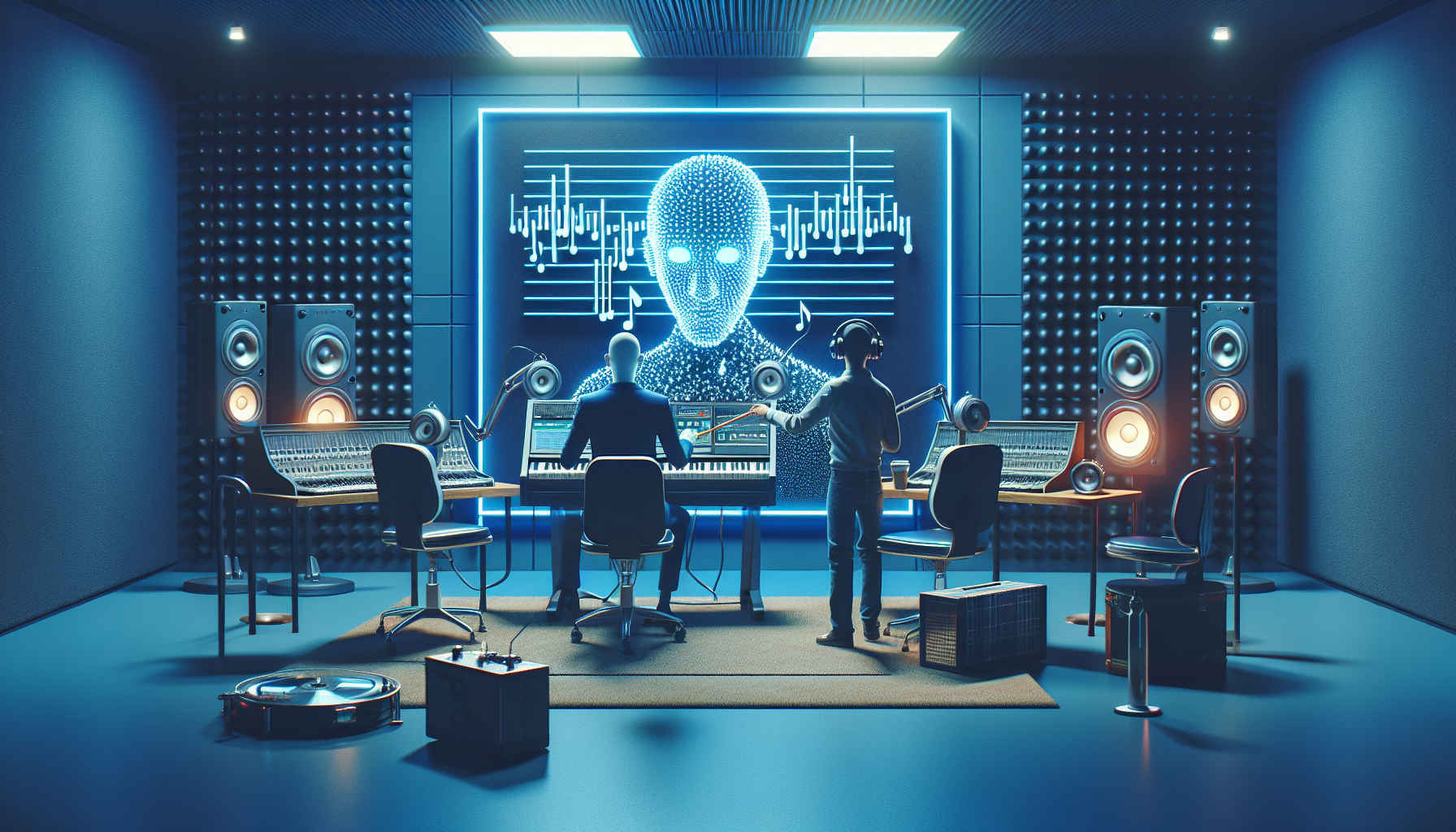
The explosion of AI-generated music is rewriting the rules of music creation—and forcing everyone from songwriters to industry lawyers to rethink the meaning of authorship, copyright, and royalties. If you’re a musician, producer, or label executive trying to keep up, it’s time to get clear about what AI music royalties actually are, who gets paid, and what the future might hold for music and AI.
What Counts as AI-Generated Music?
To understand how royalties work, let’s clarify what we mean by “AI-generated music.” In broad strokes, generative music refers to tracks that are created (or heavily assisted) by artificial intelligence systems. These can range from simple “beat generators” to sophisticated AI platforms that write lyrics, compose melodies, and even mimic the performance nuances of human musicians.
Here’s where the lines blur:
- Was the music fully composed by an AI, or did a human artist guide the process?
- Did you use AI as a creative tool (like a synthesizer) or was the entire composition algorithmic?
AI music ownership and royalties are defined by that nuance.
Who Owns AI-Generated Music?
Traditional copyright law is built on one foundational principle: Only a human can be the "author" of a creative work. In most major countries (including the US and Europe), current law does not recognize AI as an author.
If an AI creates a song entirely on its own, there’s a high chance that no one can claim copyright. That means the track could be considered public domain—open for anyone to use or monetize, royalties-free.
But let’s say you:
- Feed prompts to an AI system
- Select or edit the AI’s output
- Add your own creative input (lyrics, production, arrangement)
Then you might be able to claim copyright and collect music royalties—because your human creativity shapes the work.
Industry Example: Spotify’s AI-Generated Playlists
Some streaming services experiment with AI to generate backing tracks or background music (think lofi playlists). If these tracks are produced without meaningful human guidance, they often aren’t copyright-eligible, and no traditional royalties are paid. If, however, producers curate, edit, or commercialize these tracks, they may assert limited rights as “compilation” or “arrangement” authors.
Can AI-Generated Music Collect Royalties?
Performance Royalties
Performance rights organizations (PROs) like ASCAP, BMI, and PRS currently pay royalties only to works written by registered human songwriters or publishers. Purely algorithmic songs won’t generate these royalties—unless a human can demonstrate meaningful creative involvement.
Key point: If you used AI as a tool but exercised creative control, you could license the finished piece and collect royalties as usual. If the process was entirely automated, be prepared for your track to be ineligible for registration and payment.
Mechanical and Sync Royalties
The same principle applies:
- Mechanical royalties (from sales, downloads, or streams): Paid only to copyrighted compositions.
- Sync royalties (for syncing music to film, ads, or TV): Usually require clear copyright ownership, which is difficult (if not impossible) to prove for fully AI-driven works.
If you collaborate with AI for inspiration, arrangement, or minor tweaks, you’re likely still the copyright holder. If the work is more “AI-created” than “artist-directed,” you won’t have a protected right to monetize it.
Navigating Copyright AI Music: Best Practices
If you’re using AI in your workflow:
1. Document Your Process
Keep detailed notes about your role and creative decisions. Did you provide melody sketches or just pick from AI outputs? The more evidence you provide of meaningful input, the stronger your claim to the resulting work.
2. Review Platform Terms
Every major AI music tool (from Boomy to AIVA) has different licensing rules. Some let you claim full copyright over tracks generated on their platform. Others assert co-ownership or even retain all rights. Read the fine print before distributing or monetizing AI-created songs.
3. Register Works Cautiously
Some copyright offices have started rejecting applications for works with high degrees of AI authorship (see U.S. Copyright Office’s 2023 decision involving visual art). When in doubt, register your music and fully disclose any AI assistance—false applications can be challenged or revoked.
Future of Royalties: Where Do We Go From Here?
As generative music explodes into mainstream use, expect the law—and the business of music—to evolve rapidly.
Are We Heading Toward “AI Royalties?”
Tech companies, rights societies, and lawmakers are debating whether AI-generated works should have special types of royalties, or even require separate licensing structures. This might include:
- New royalty systems for tracks with substantial AI involvement
- “AI music” tags on streaming platforms to help listeners (and royalty systems) distinguish the source
- Rules about dividing income when human and AI authorship overlap
Implications for Artists
If you’re a songwriter, producer, or indie artist, don’t treat AI merely as a shortcut to easy income.
- Be clear about your creative role
- Treat AI like any other musical instrument: the more you express your own vision, the more protected—and legally valuable—your music will be
If you’re a label or publisher, get proactive about contracts and workflows. Define what counts as “original” for your catalog. Build policies around using AI for inspiration vs. finished product, and educate your team on fast-evolving copyright AI music rules.
Key Takeaways and Next Steps
AI music royalties aren’t a gold rush—for now, they’re a legal grey zone. Using generative music in your creative process is powerful, but you have to be intentional and strategic:
- Human creativity is still the foundation for copyright and monetization.
- Fully AI-generated music may fall into the public domain, missing out on traditional royalties.
- The law is changing, so document your process, check each platform’s terms, and protect your work.
Music and AI are intersecting in ways we never imagined—so treat every new tool as both an amplifier and a creative test. Your best shot at future-proofing your royalties and music ownership? Stay human, stay curious, and keep shaping the art rather than letting algorithms do all the talking.
Are you actually set up to collect your music royalties?
If you've released music or your music has ever been performed, you're probably owed royalties. And most artists miss out because they simply don't know what they're owed and how to collect. I created a free, 5-day crash course that explains how to collect ALL of your royalties.
